by Jayme Radomski | Jul 25, 2017 | Digital, Money & Paper Management
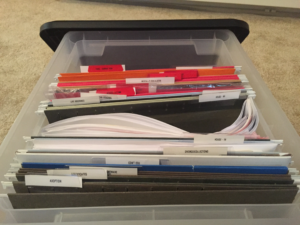 Unmanaged paperwork around your home and office can be quite stressful. Searching for important documents may seem hopeless. Interest charges and late fees can pile up quickly on misplaced bills. Deadlines are easily overlooked. Getting on top of your papers and developing a good paper management system will reduce your stress.
Choose a Convenient Location
Where you manage your paperwork should be convenient. Going to a secluded area of your home may not encourage you to manage your paperwork. If it is not an area you enjoy being in, you won’t go there.
The workspace should have ample surface area, basic office supplies (envelopes, pens, address label), computer and printer, paper recycle bin and paper shredder.
Remove the Unnecessary, Immediately
Sort your mail as soon as it comes in with a recycle bin and shredder within in arm’s reach. Junk mail should be recycled immediately. Refer to the document retention guideline for guidance on what documents to keep and for how long.
Do Initial Sorting
Create a temporary, simple filing system for the initial sorting of your paperwork. This file system could include files labeled:
File – for files to be filed
Pay – for bills to be paid
To Do – for items that require attention within the next month
Read – for documents that will required your dedicated attention
Regularly go through and Pay, Sort and File
Set up a weekly time to go through the temporary files. Coordinate your bill paying with your pay dates. File papers from the ‘file’ file. Review your ‘to do’ file for items needing attention within the next week. Take some time read through the files from your ‘read’ file.
Choose Physical or Electronic Files
Decide if you prefer physical or electronic files. It’s nearly impossible to completely do one or the other, but designating one or the other as your filing system will help to manage your paperwork.
It is important to always be aware of what papers, documents and receipts enter your home. Receipts can be sent via email or not retained at all. Be selective of what documents are collected at trade shows, conventions and seminars. Only accept the documents that are relevant to you. Be mindful of the mailing lists, marketing emails and promotional lists you sign up for.
Once your paperwork system is set up, plan to set aside time every week to maintain and manage your paperwork. Staying on top of your system will reduce stress and ensure you keep on top of your work and bills.
If setting up a paperwork management system is overwhelming for you, a professional organizer can help. Contact Jayme with Top Shelf Home Organizing for a consultation to see how we can help.
by Jayme Radomski | Jul 13, 2017 | Digital, Money & Paper Management
 Are your filing drawers overflowing? Do you have several stacks of paper documents with no idea as to which you need and which belong in the trash? Are you overly concerned that the IRS will come knocking at your door and you won’t have something you need? Your stress is over. This checklist on how long to keep all your financial and other important documents will help guide you!
Documents to Keep Forever
- Income tax returns
- CPA audit reports
- Deeds, mortgages and bills of sale
- Legal documents (wills, living wills, power of attorney designation, medical and burial instructions, beneficiary documents)
- Vital records (birth, death, marriage, divorce, adoption)
- Investment trade confirmations and statements that indicate buying and selling, retirement and pension records, year-end statement for investments
- Trust documents
- Receipts for warranties
- Automobile titles
- Current insurance policies
- Medical records
- Education records
- Important correspondence
- Property records (keep until sale of property)
- Car records (keep until sale of car)
- Insurance policies (keep for life of policy)
Documents to Keep for 7 Years
The IRS may go back 7 years to audit your tax returns for errors or incorrectly claimed deductions – so it’s important that you keep all tax-related documents for that length of time.
- Bank records
- W-2 and 1099 forms
- Receipts for tax purposes
- Personnel and payroll records
- Cancelled checks
- Disability records
- Unemployment benefit records
- Settled accident claims
- Mortgages, deeds, leases on sold property
- Records on sold stocks and bonds
Documents to Keep for 1 Year
It’s rare that anyone is going to want to see an electric bill or credit card statement dating back more than a year. But you may choose to keep the following NON-TAX-RELATED papers:
- Checkbook ledgers
- Paycheck stubs (keep until reconciled with W-2)
- Monthly financial statements
- Monthly mortgage statements
- Credit card statements
- Utility records
- Medical bills (in case of insurance disputes)
Documents to Keep Less Than 1 Year
There are always those papers that don’t fit into any of these categories. Retain these records according to the following guidelines:
- Credit card receipts (keep until reconciled on your credit card statement)
- ATM and deposit slips (keep until reconciled on your bank statement)
- Bills (keep until the payment verified on the next bill)
Now, it’s time to simplify!
Now that you know the guidelines on how long to keep all of your documents, it’s time to get organized. Start cleaning out those file cabinets or sorting through those paper stacks that are taking up space and causing you stress.
*NOTE: This checklist is a guideline. Please be sure to consult your accountant and/or the IRS for the most up-to-date rules.
If you don’t have the time to get your business and personal documents organized, Top Shelf Home Organizing would love to help. Call Jayme: 262-373-9416.
by Jayme Radomski | Mar 2, 2017 | Mindfulness, Nesting
Early spring is the season of intentional giving and sacrifices as we approach Easter. Getting organized around your home can help fulfill these seasonal traditions. Here are some tips on intentional organizing:
Plan the amount you will give to a charity, organization or family in need. Whether it is one item or one bag for forty days to charity, or an amount of money, set a goal.
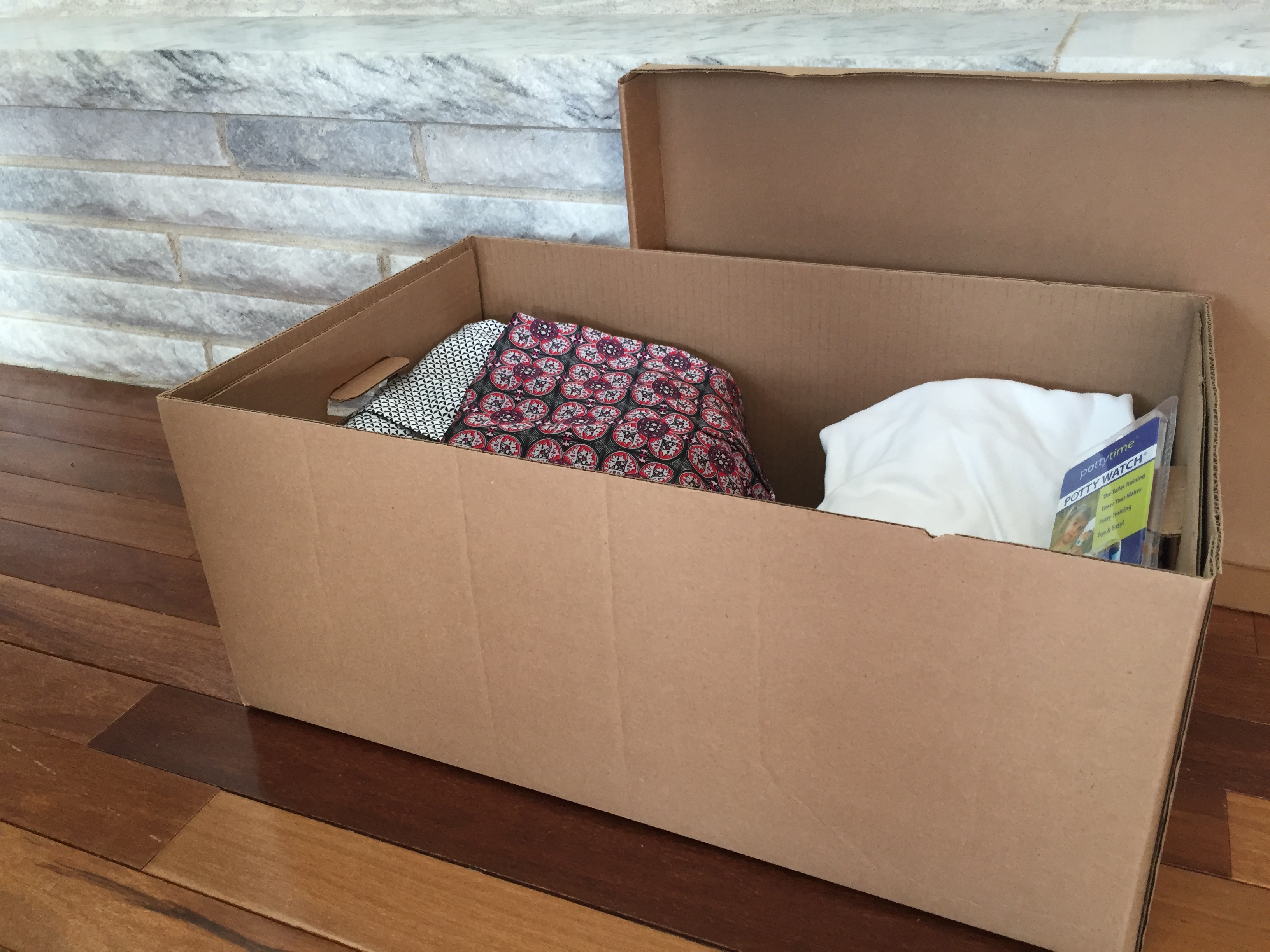
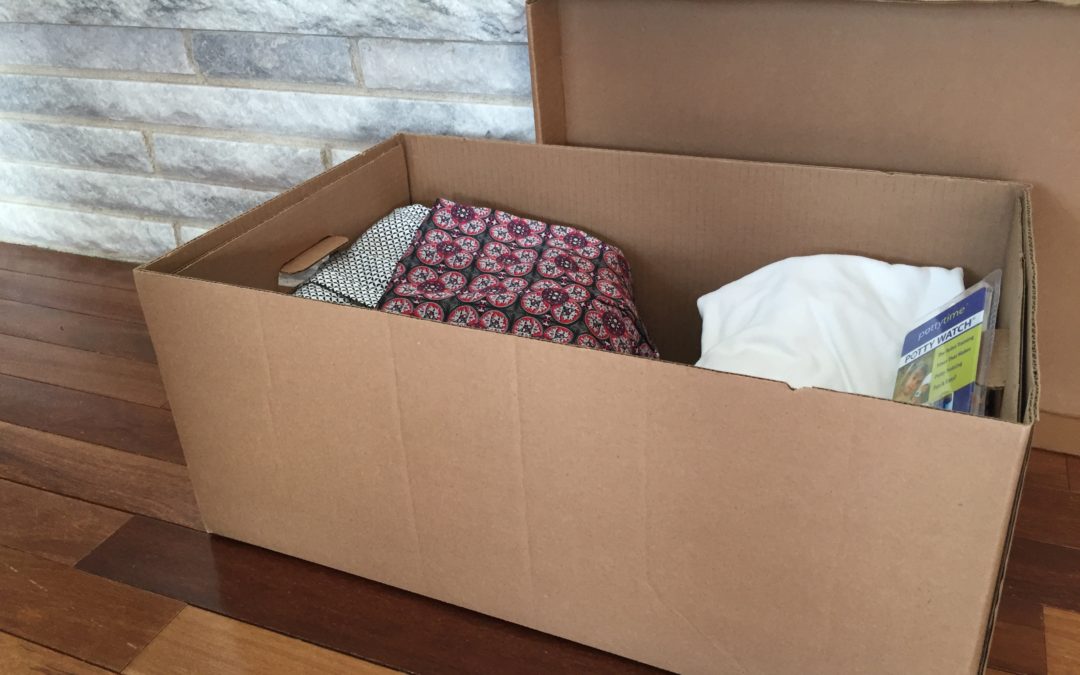
Box for charity.
Reach deeper into your own resources by allowing yourself to let go of items that are holding you back. This could be a sweater that was expensive, but no longer serves you. Maybe you have piece of exercise equipment that is collecting dust in the basement waiting for that day you start an exercise program. Items that are valuable, but no longer useful to you, are excellent ways to dig deep into giving.
Cleanse your pantry of food items that are indulgences or could be donated to a food pantry.
Pray that your household will best serve the needs of your family and nothing more. Remove the items that don’t fit your needs.
An organizer can help you on your journey to getting organized and determining the best resources for you unneeded items. Top Shelf Home Organizing helps people realize and reach their organizing goals.
by Jayme Radomski | Dec 3, 2016 | Self Care, Bathroom
Let’s be honest, we don’t like rules. If you are serious about home organization, there are just three simple rules to follow:
- Touch It Once. This rule will save you time. When you place your hands of something, it goes to its final destination. Clothing gets put in the laundry basket or on a hanger, instead of on your bed or chair to be dealt with later. Paperwork is filed, discarded or completed as it enters your home. You are busy and managing your home is tough. Dealing with each item as you come across it, will save you time.
- Keep Like Things Together. Sweaters with sweaters. Shirts with shirts. One shelf for snacks and a shelf for cans. Designating a space for everything and keeping like items in their space will help you manage your items and save you time finding exactly what you need.
- Organize One Space At A Time. Work on one small space at a time in set increments as you have time. It might only be for fifteen or twenty minutes, but the key is to get something organized everyday. Break larger projects into manageable mini-projects.
Getting it done is the key. One small step at a time.

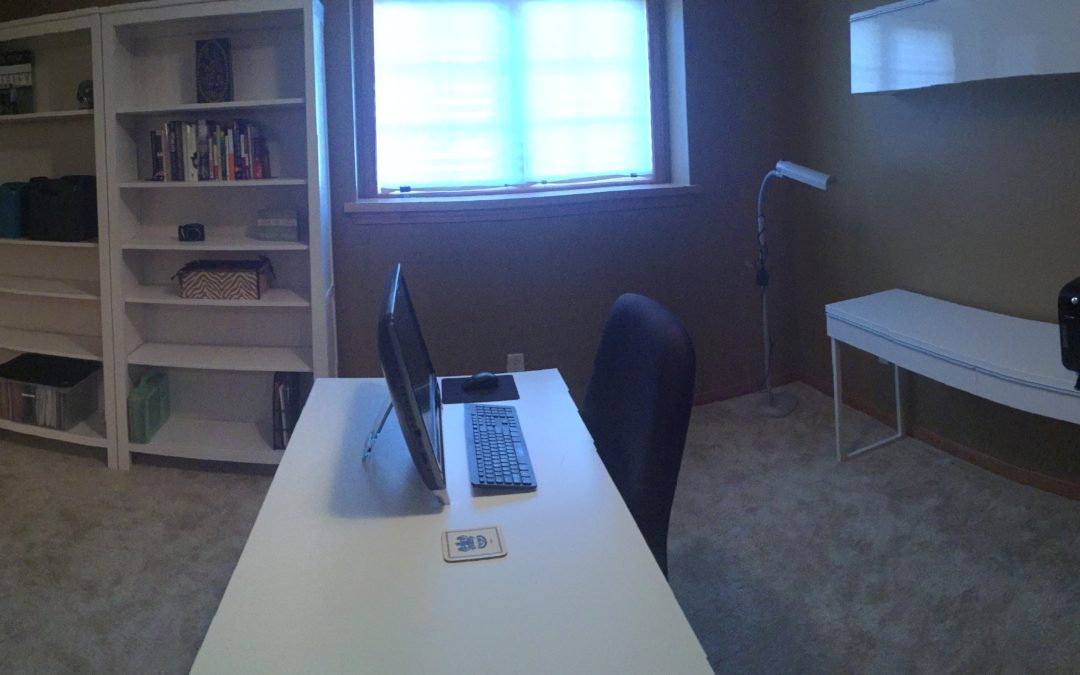
Organized Office
Following these simple rules every day will help keep your home clutter free and peaceful. Organizing is a process, not a destination. Top Shelf Home Organizing can help you on your journey.
by Jayme Radomski | Sep 27, 2016 | Mindfulness, Nesting
Regular tidying and organizing can keep your home feeling peaceful and productive. Here are small stes to keep your home organized, and save you time and stress.
Store things in a place that makes sense. Drop your keys in a dish by the front door so you won’t waste time looking for them throughout the house. Put anything you need to take with you by the front door- outgoing mail, your briefcase or the library books that need to be returned. Store kids’ school gear near the door to avoid multiple last minute trips through the house to gather gear.
Straighten up as you go. Pick up the newspaper and put in the recycle bin instead of leaving it on the coffee table. Fill the dishwasher after every meal instead of once a day. Put your groceries away rather than leave them on the kitchen table. This makes the kitchen an appealing place to enjoy a meal instead of a constant reminder of chores that need to be done.
Finish one project before starting another. Having too many projects going on at one time is overwhelming.
Tidy your bathroom. Wipe up the sink and vanity top after you shave or wash your face and put your toiletries away. Doing these small things as you go keeps the bathroom cleaner.
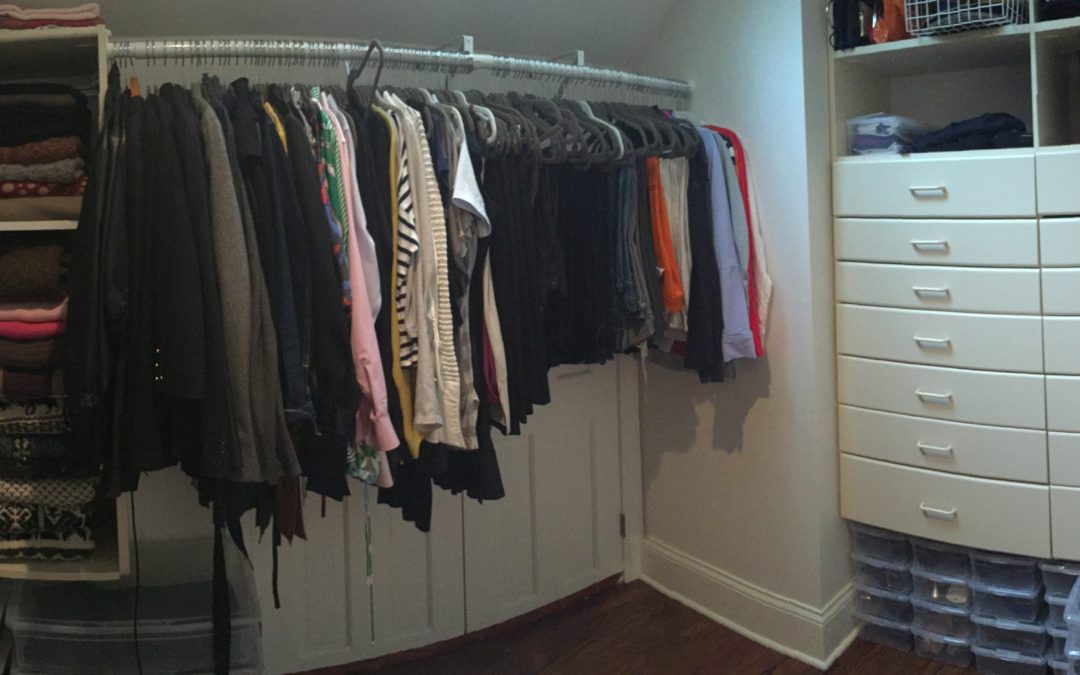
Organize your closets. If your closet is filled to capacity, you can’t see what you have. Keep shoes in boxes or shoe racks. Donate any garments that no longer fit or if you haven’t worn them in the past season. Donate items you don’t need or love; someone will be grateful to take them.
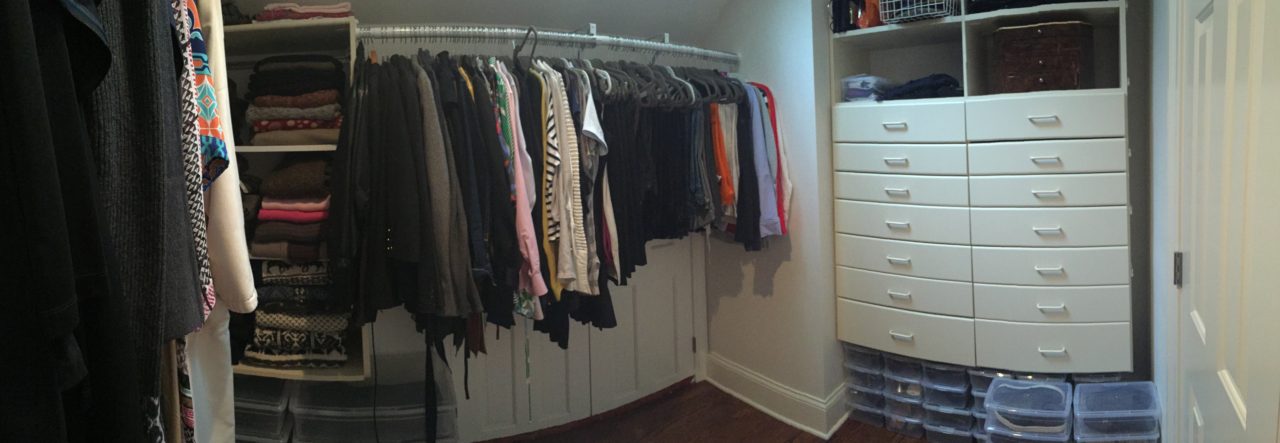
Closet organized by clothing category for simplified mornings.
File your important documents and papers in a safe place. Birth certificates, passports, marriage license, divorce papers, the deed to your house and the title to your car should be filed in a fireproof lockbox or in a safe deposit box at a bank. Back up important financial information that is on your home computer.
Taking small steps every day to keep organized will help keep your home clutter free and peaceful. Organizing is a process, not a destination. Top Shelf Home Organizing can help you on your journey.

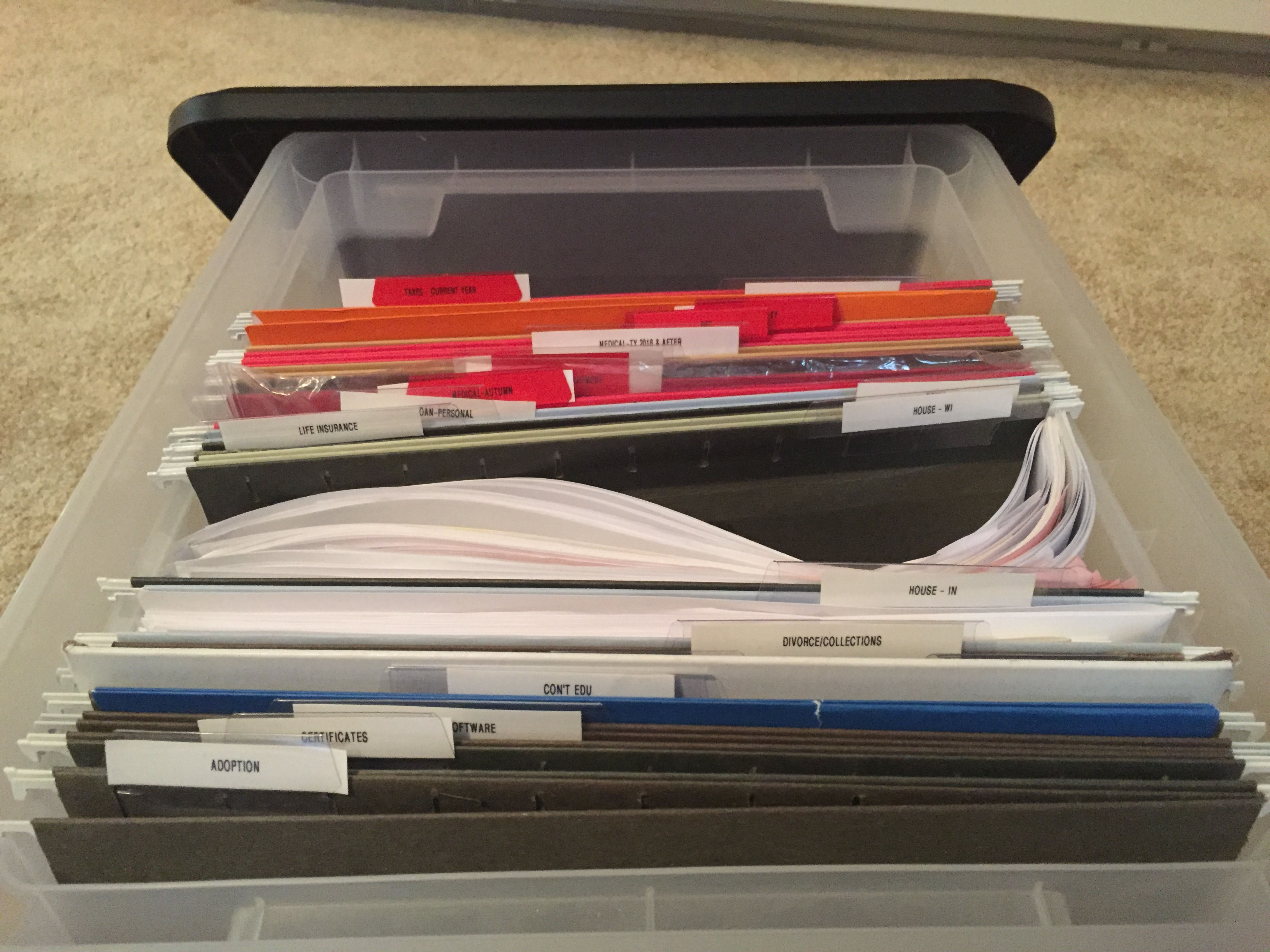 Unmanaged paperwork around your home and office can be quite stressful. Searching for important documents may seem hopeless. Interest charges and late fees can pile up quickly on misplaced bills. Deadlines are easily overlooked. Getting on top of your papers and developing a good paper management system will reduce your stress.